Expanding Recruitment: Personalization and Relationship Building
Empathy and listening to potential students became a more important feature of operations during the changing conditions in 2020. It became clear that a personal approach to each potential student increased the chances of continuing through to application and further. However, just adding a first name to the salutation at the beginning of an email blast does not cut it for digital natives used to multiple individual interactions on social media.
“There are various types of students educational entities are trying to attract, and they must be cognizant of that when putting together a marketing strategy to make sure they’re addressing all those students on a personal level,” said Senior Digital Director Kyle Stichtenoth. “If they don’t feel like they’re being spoken to individually, they will opt for another institution that is.”
Traditional email communications, virtual information sessions, and social media are important channels for connecting with students. Additionally, do not underestimate the power of retargeting where you can nudge students and parents who have visited your website with both display and video ads. Doing this will extend your institution’s visibility with prospective students.
With more and more options for technological interaction, it is critical to frequently assess which social media and education platforms students are accessing. Focusing your efforts on where the potential students are already located, such as newer social media options, can give you a leg up in your communications with students.
Like what you see? Want to know more? Download the whitepaper: Expanding Recruitment





OUR LATEST WHITEPAPER
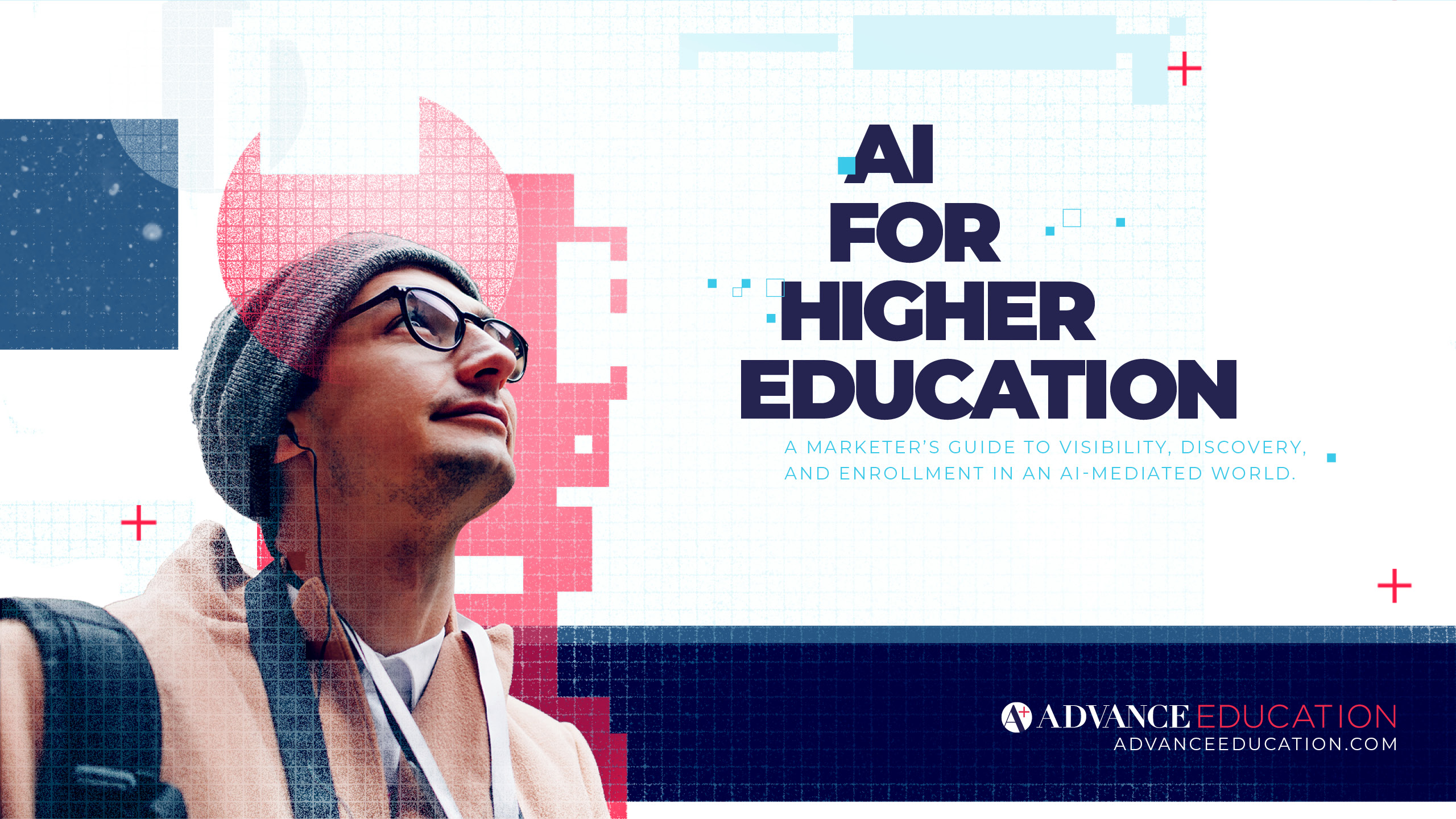
AI for Education
A Marketer’s Guide to Visibility, Discovery, and Enrollment in an AI-Mediated World
Prospective students aren’t just searching differently. They’re discovering, comparing, and evaluating institutions through AI before they ever visit a website.
This guide explores how AI is reshaping the enrollment journey and what enrollment marketers can do to improve visibility, build trust, and prepare for the future of student discovery.