Students and Parents Still Believe in the Value of College
Public debate around higher education often centers on skepticism. Rising tuition, student debt, and alternative career pathways have led many to question whether a college degree still delivers meaningful value.
Yet when students and parents are asked directly, their answers tell a different story.
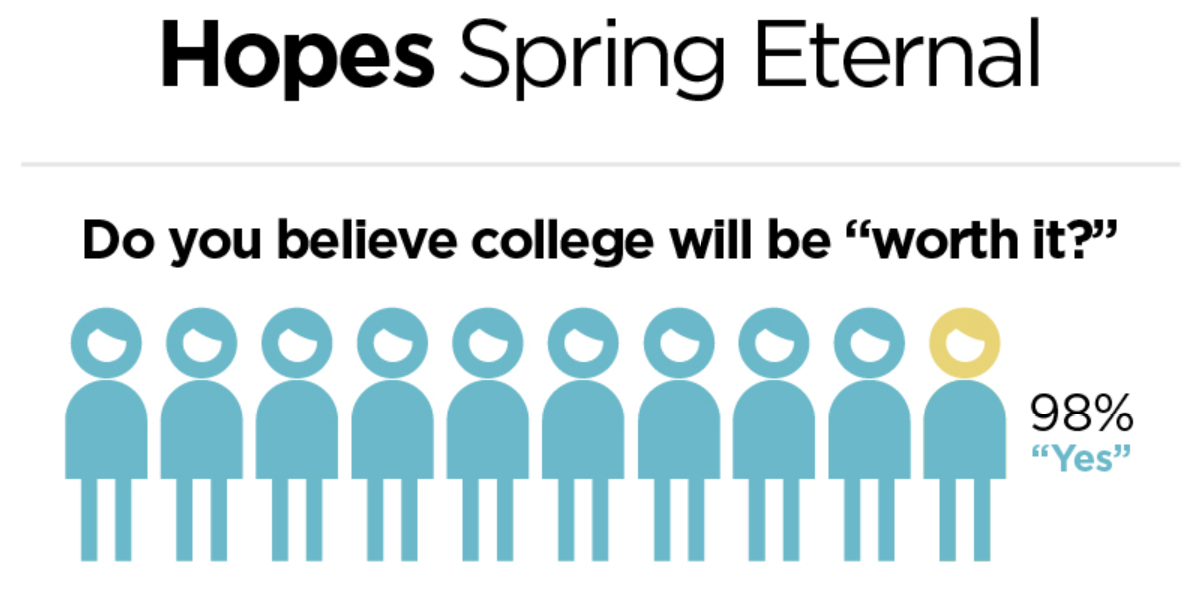
According to the College Hopes & Worries Survey from The Princeton Review, 98% of respondents believe college will be worth the investment. Even as families weigh affordability and outcomes more carefully, confidence in the long-term value of higher education remains remarkably strong.
These findings reveal something important about how families approach higher education today. The belief in the value of college has not disappeared. What has changed is how carefully students and parents evaluate the path to enrollment.
Cost remains central to the conversation
For many families, the financial side of the decision shapes the entire college search process.
Nearly all respondents in the survey expect that financial aid will play a role in paying for college. Scholarships, grants, and other forms of aid often determine which schools remain realistic options as students narrow their college lists and move through the application process.
Debt concerns also influence how families think about college. In the survey, 35% of respondents said their biggest concern about the college application process is the level of debt required to earn a degree. That concern ranked higher than worries about getting into a first choice college.
Families are not questioning whether college matters. They are asking how the investment will affect their future.

The application process brings significant pressure
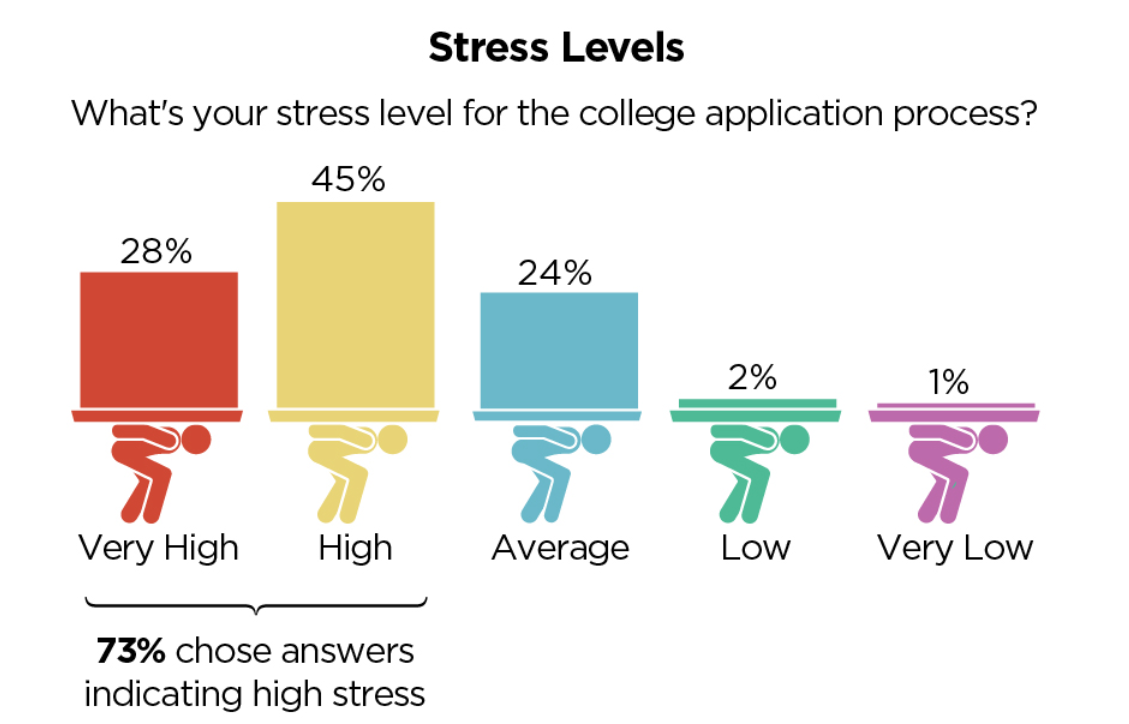
Another clear takeaway from the survey is the level of stress surrounding the college application process.
73% of respondents say their stress level is high or very high. Navigating admissions requirements, completing applications, and understanding financial aid options can make the process feel overwhelming for both students and parents.
Students are making one of the most important decisions of their lives while sorting through a large amount of information and uncertainty. Clear communication from institutions can make a meaningful difference in how families experience that process.
Career outcomes still shape the value equation
While cost and admissions pressures dominate much of the conversation, families remain focused on the long term benefits of higher education.
In the survey, 43% of respondents said the biggest benefit of earning a college degree is the potential for a better job and higher income.
Students and parents continue to view education as a pathway to opportunity. They want to understand how academic programs connect to career outcomes and future stability.
What this means for institutions
The College Hopes & Worries data reinforces an important reality. Students and parents still believe in the value of higher education.
What has changed is the level of scrutiny applied to the decision.
Families are evaluating affordability, career outcomes, and overall fit at the same time. Institutions that communicate clearly about these factors help students move through the enrollment process with greater confidence.
The conversation about higher education may continue to evolve. The belief in its potential remains firmly in place.




OUR LATEST WHITEPAPER
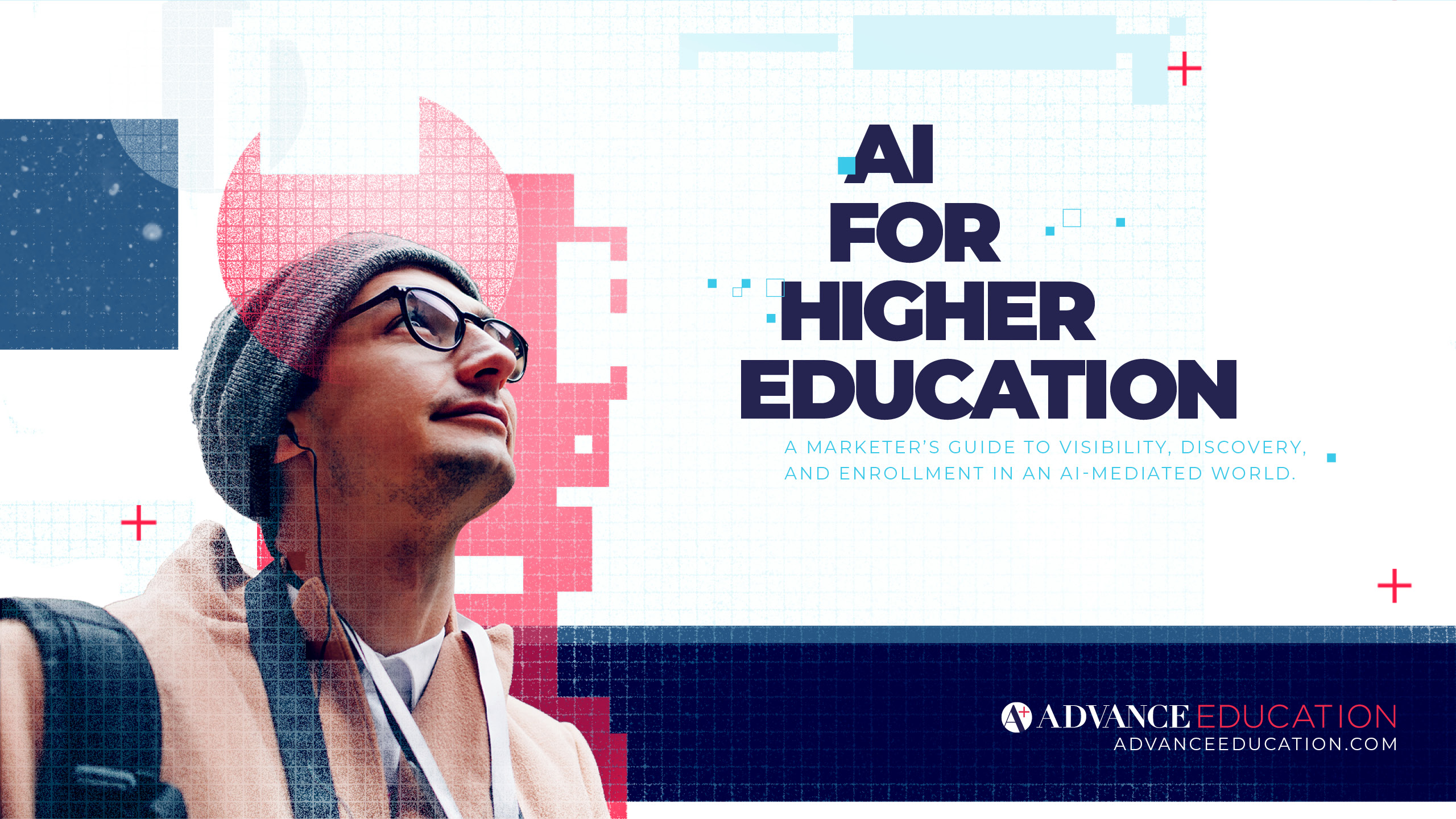
AI for Education
A Marketer’s Guide to Visibility, Discovery, and Enrollment in an AI-Mediated World
Prospective students aren’t just searching differently. They’re discovering, comparing, and evaluating institutions through AI before they ever visit a website.
This guide explores how AI is reshaping the enrollment journey and what enrollment marketers can do to improve visibility, build trust, and prepare for the future of student discovery.