How Graduate Learners Research and Evaluate Programs
Choosing a graduate program is a deliberate process shaped by research, comparison, and a clear understanding of long-term value. Decisions are tied closely to career impact and future opportunities.
Where the process begins
The research process often starts across multiple sources, with a focus on gathering details that support comparison and set expectations.
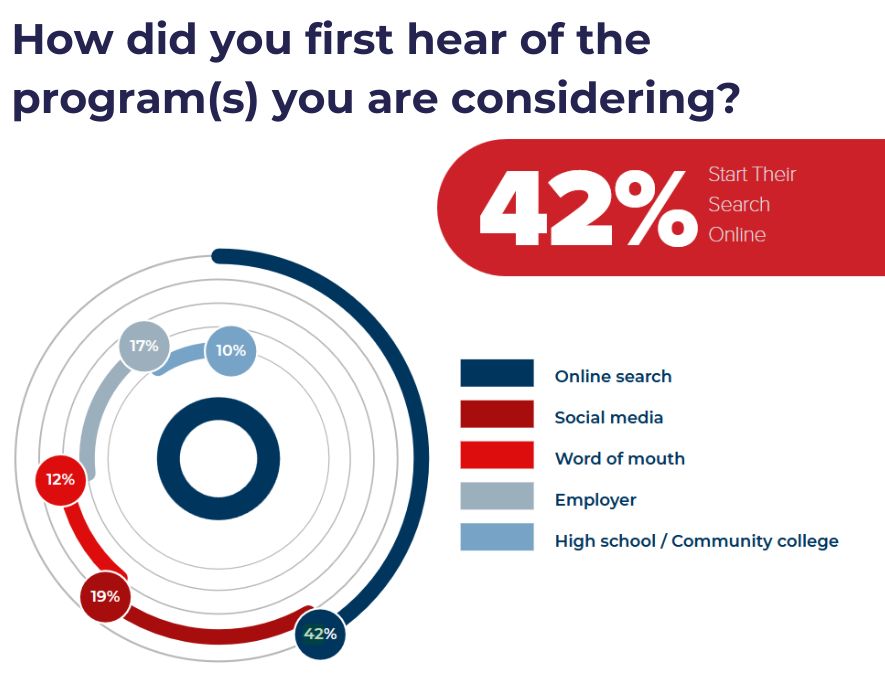
- 42% begin their search through online channels
- Many continue their research across program websites, rankings, and peer recommendations
This approach reflects a structured and information-driven decision process.
How programs are evaluated
Evaluation centers on factors that connect directly to career outcomes. Program structure, flexibility, cost, and curriculum relevance all play a central role in how options are compared.
Clear and consistent information supports this process. Well-defined expectations help learners assess programs and move forward with confidence.
Why evaluation matters
These decisions carry long-term impact, which drives a high level of attention to detail. The process is intentional, and expectations are high.
Programs that present information clearly and consistently align more closely with how prospective students research and evaluate their options.
Explore the Full Findings
The 2026 Graduate Learner Insights from Advance Education explore how professionals research programs and make enrollment decisions.
Access the 2026 Graduate Learner Insights. Understand how professionals choose graduate programs.
Get your copy now.
Download
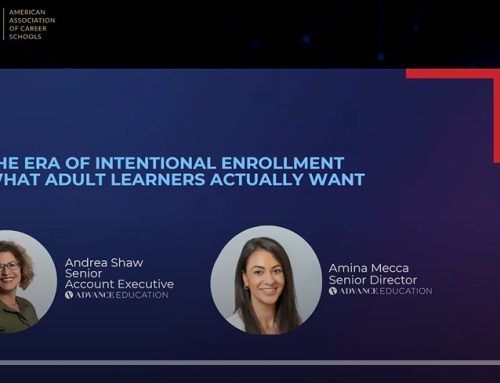
The Era of Intentional Enrollment
A Guide to Understanding The Graduate Learner






OUR LATEST WHITEPAPER
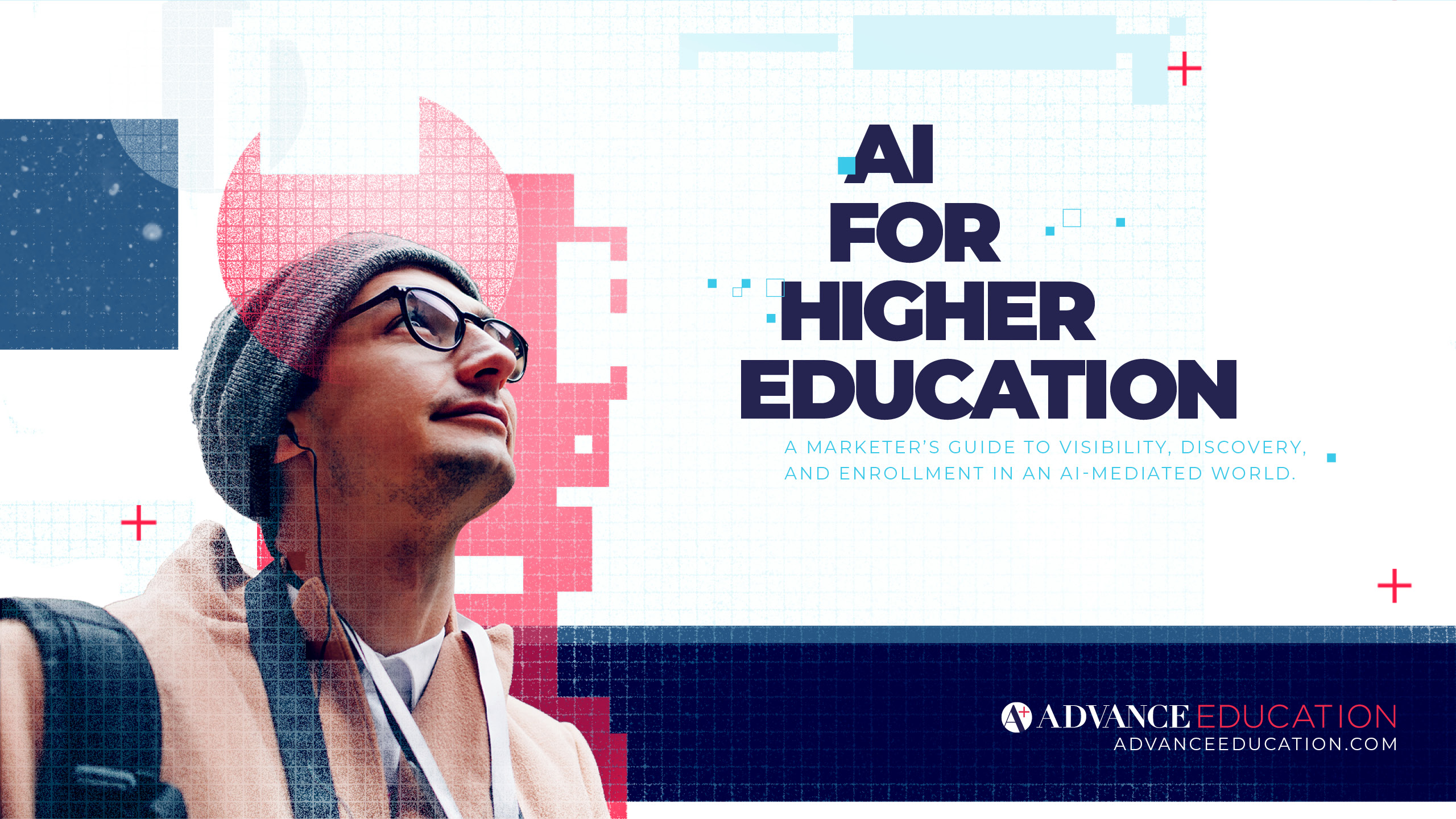
AI for Education
A Marketer’s Guide to Visibility, Discovery, and Enrollment in an AI-Mediated World
Prospective students aren’t just searching differently. They’re discovering, comparing, and evaluating institutions through AI before they ever visit a website.
This guide explores how AI is reshaping the enrollment journey and what enrollment marketers can do to improve visibility, build trust, and prepare for the future of student discovery.